Research
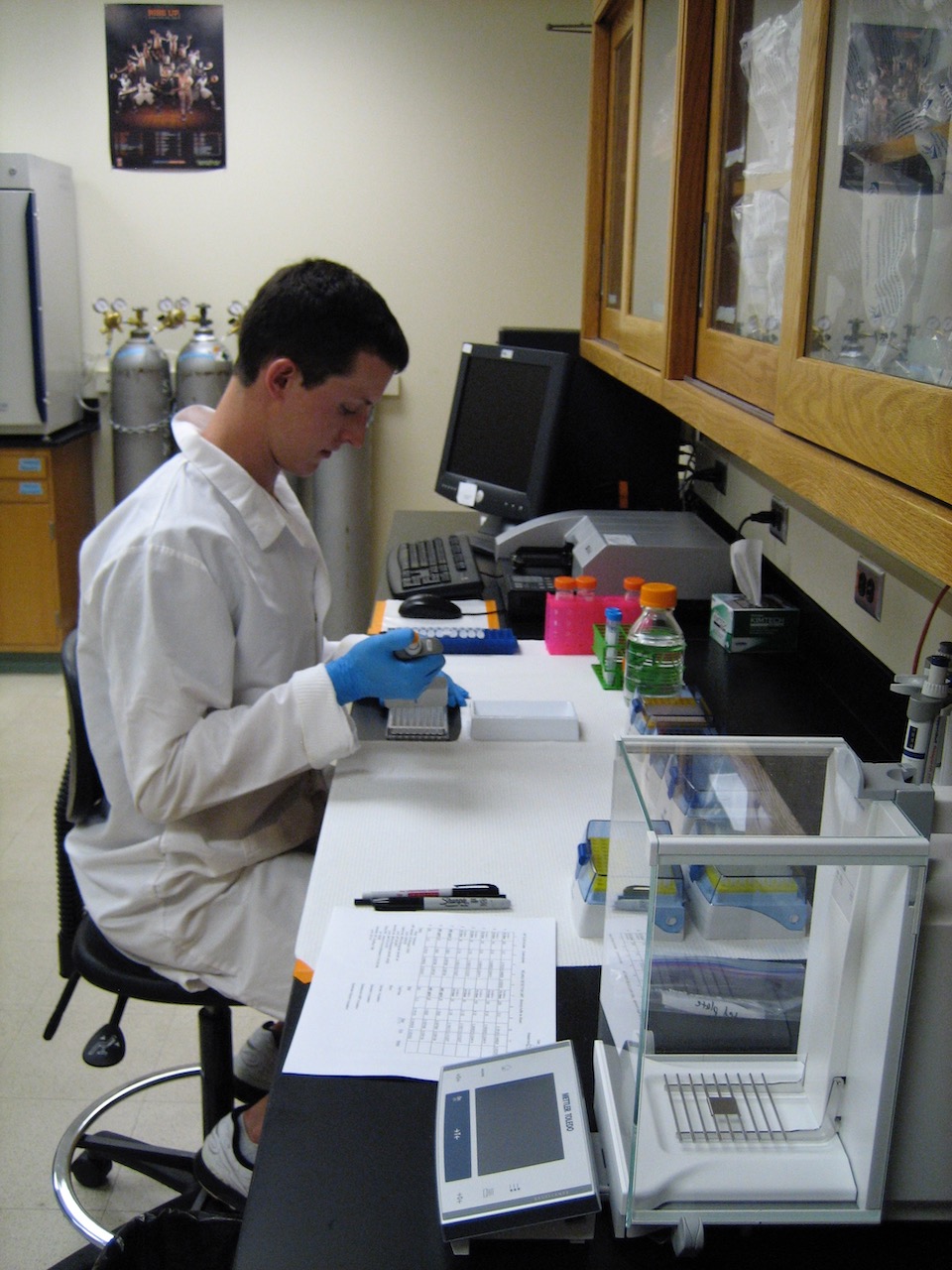
I went directly from college into the Nutritional Sciences PhD program at the University of Illinois at Urbana-Champaign. I worked in both engineering and nutrition labs and led projects on a large interdisciplinary team. I fully funded my tuition and living expenses with research grants and fellowships. You can download my dissertation for free here, and you can look up my publications on my ORCID profile.
The engineering lab, the Bioacoustics Research Lab, has a long history of studying ultrasound. Ultrasound is sound waves above the frequency range of human hearing (>20 kHz, usually 1-40 MHz for diagnostic imaging). My projects were focused on cardiovascular ultrasound imaging. Blood vessels can be small and located deep within the body, so they can sometimes be difficult to see with ultrasound. To help see blood vessels with ultrasound, contrast agents can be used. These are tiny bubbles (1-4 micrometers in diameter) that are injected intravenously and flow through the blood. When ultrasound waves pass through these bubbles, they pop and release gas, which helps delineate the blood vessel wall. This process has biological effects. Ultrasound is mechanical energy, and a metric called the "mechanical index" has been developed to measure and limit this mechanical energy for safety. The interaction of ultrasound with contrast agents introduces additional biological effects. We studied these effects in an effort to ensure the safety of patients undergoing cardiovascular ultrasound imaging. Thankfully, ultrasound imaging is considered safe, especially compared with other imaging modalities like CT and MRI.
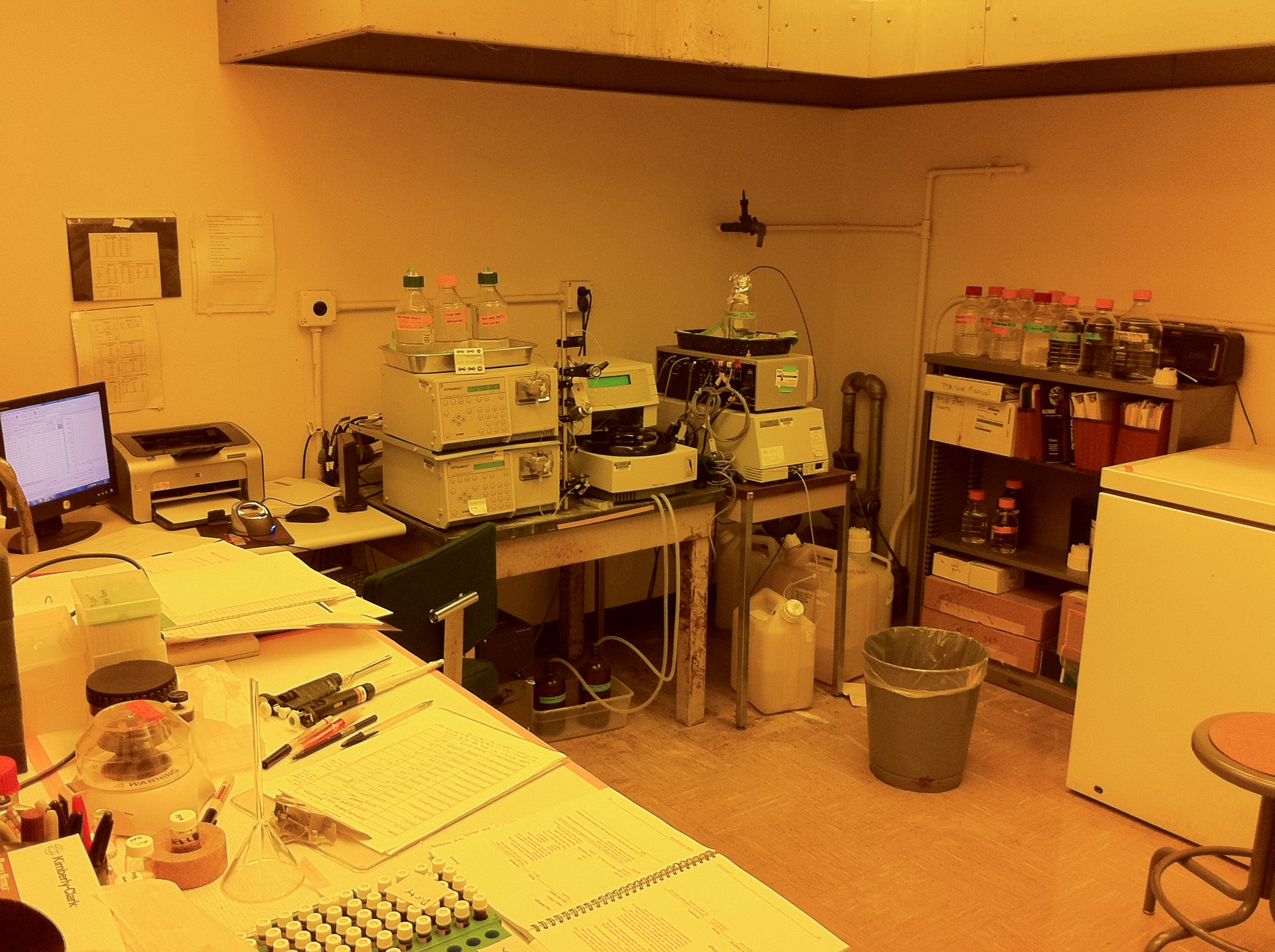
The nutrition lab was well-known for the study of carotenoids. I studied lycopene, the carotenoid that gives tomatoes their red color. I used analytical chemistry techniques like HPLC (high-performance liquid chromatography) to analyze carotenoid levels in various tissues and research diets. Carotenoids are sensitive to light, so we had special yellow lights in the lab to prevent degradation of the carotenoids we were working with.
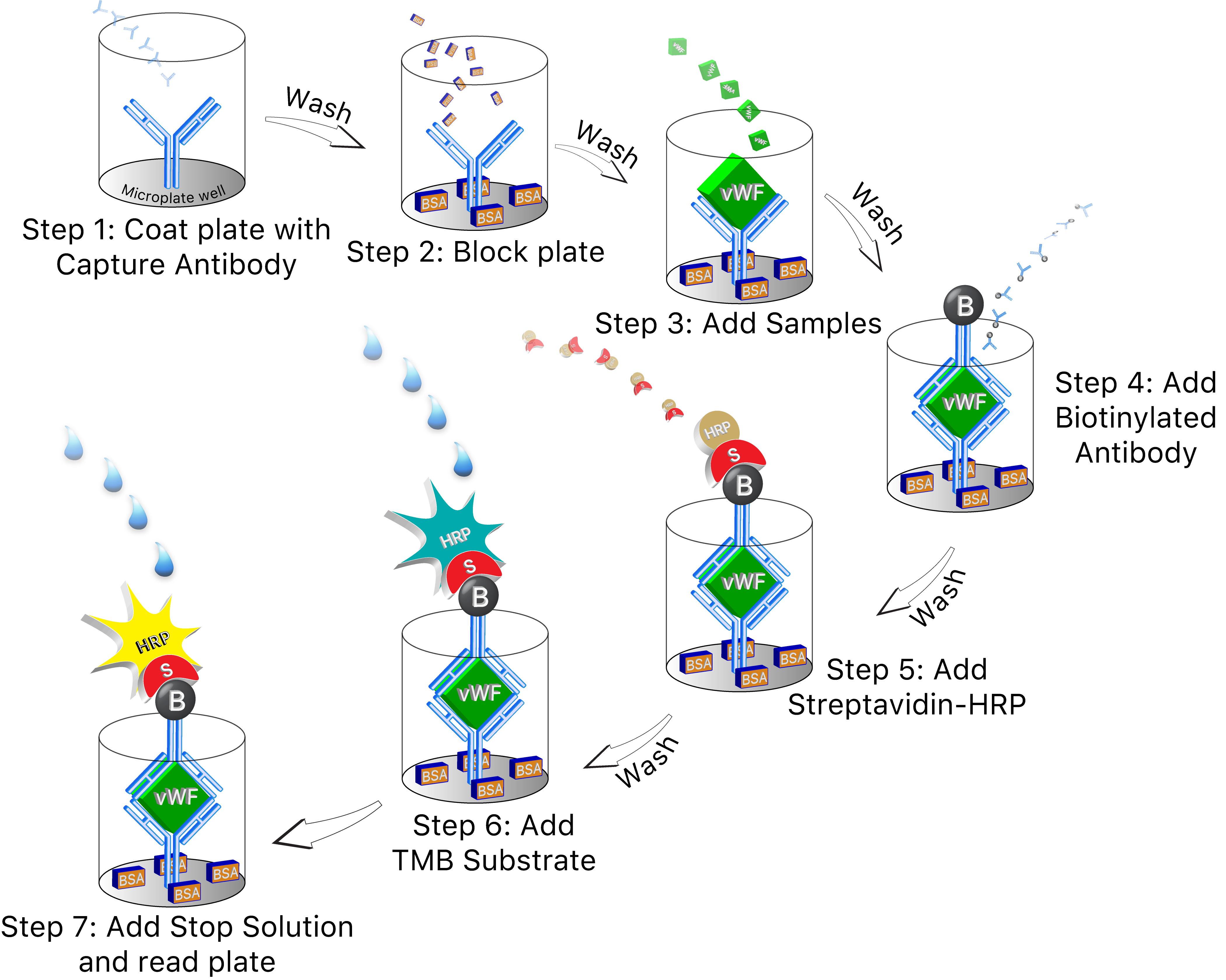
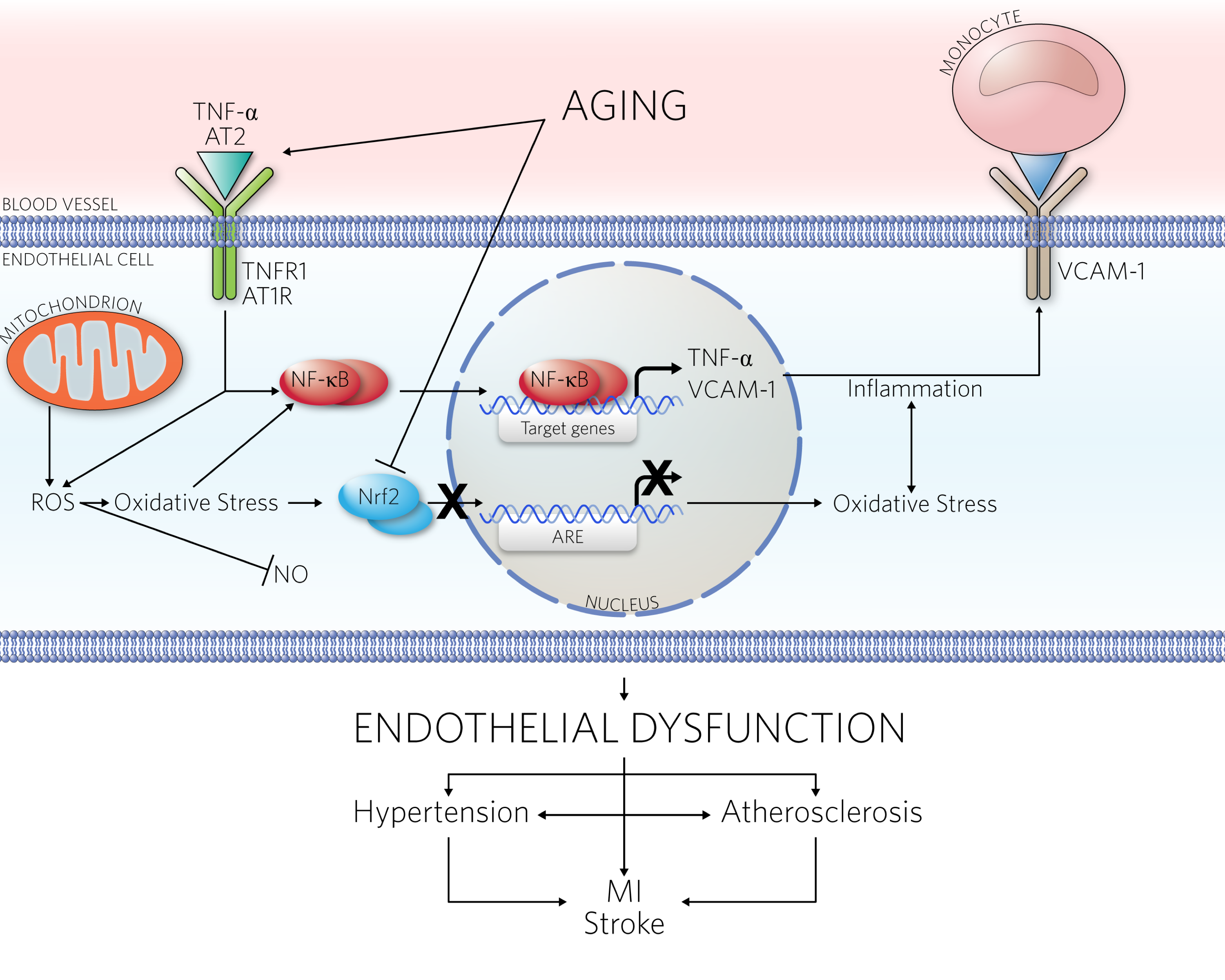
At left, a diagram of an ELISA method (enzyme-linked immunosorbent assay) from one of my publications (10.4137/bmi.s6051). At right, a diagram of a process called endothelial dysfunction for a fellowship proposal.
I began to see the computing challenges involved in scientific research. I wrote VBA macros to automate experimental data analysis, used SAS for statistical programming (I later switched from SAS to R -- see the R guide page for more), and worked with Adobe Illustrator to design science illustrations.
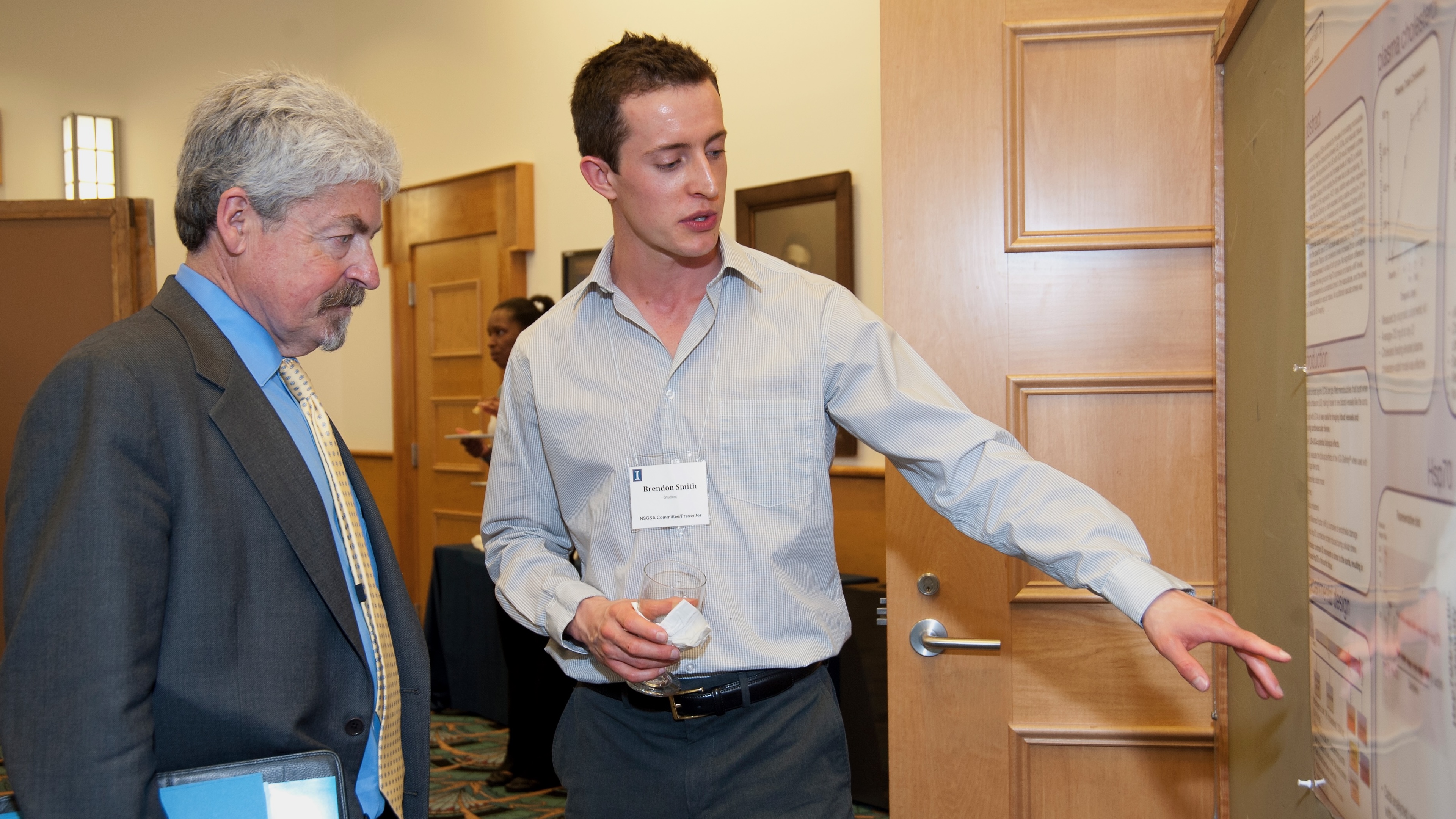
I attended many conferences and even helped organize a few, like a nutrition symposium at which we hosted obesity researcher Jim Hill.
Classes
Overview
My coursework opened my mind to the wonderful world of cells, molecules, and biochemical reactions, and to the effects of food from cell to community.
In addition to the classes I took, I also did some teaching. I completed a teaching certification and ranked in the top 10% of campus teachers based on student feedback.
A new way of thinking
Grad school was a time of intellectual awakening for me. I was highly motivated in the classroom. As one professor1 described me during a particularly tenacious question and answer session, "He has to know." I think one of the reasons I was so motivated was that I was discovering a new way of thinking. I had been slowly overcoming the religious indoctrination of my youth, and I realized that the scientific way of thinking offered some powerful advantages over the religious way of thinking. Three of the key advantages are that:
- Science admits ignorance. Rather than claiming to be the infallible work of an omniscient God, science begins with the premise that it doesn't have all the answers. This admission of ignorance enables self-correction -- incorrect ideas can be replaced with more correct ones. Religions lack self-correcting mechanisms. If religions are incorrect, they have to stand by their incorrect ideas until those ideas are discredited, and then the religion is discredited along with them. This is what happened to the Catholic Church after they continued to assert geocentrism despite evidence to the contrary, and what happened to the Protestant Christian Church after they attempted to assert "Intelligent Design" as an alternative to evolution by natural selection2.
- Science creates knowledge. Science isn't a linear process. There are lots of dead ends. Over time though, science replaces ignorance with knowledge about how the universe works. This knowledge is a major source of progress for human civilization. Knowledge is power.
- Science is empirical. Rather than using fiction books from thousands of years ago as sources of "truth" and relying on "faith" to make assertions without evidence, science creates knowledge by using evidence as the source of truth. As Carl Sagan put it when describing Johannes Kepler, "He preferred the hard truth to his dearest illusions. That is the heart of science."
Revelations in Lehninger Principles of Biochemistry
My favorite textbook in grad school was Lehninger Principles of Biochemistry3. Many times when I was struggling to understand a concept, I would read other textbooks but would still be unable to figure it out. When I turned to Lehninger, the answer would be there, clearly and concisely explained. It was almost uncanny. Here are some examples.
What happens to the lac operon when both glucose and lactose are added to E. coli at the same time?
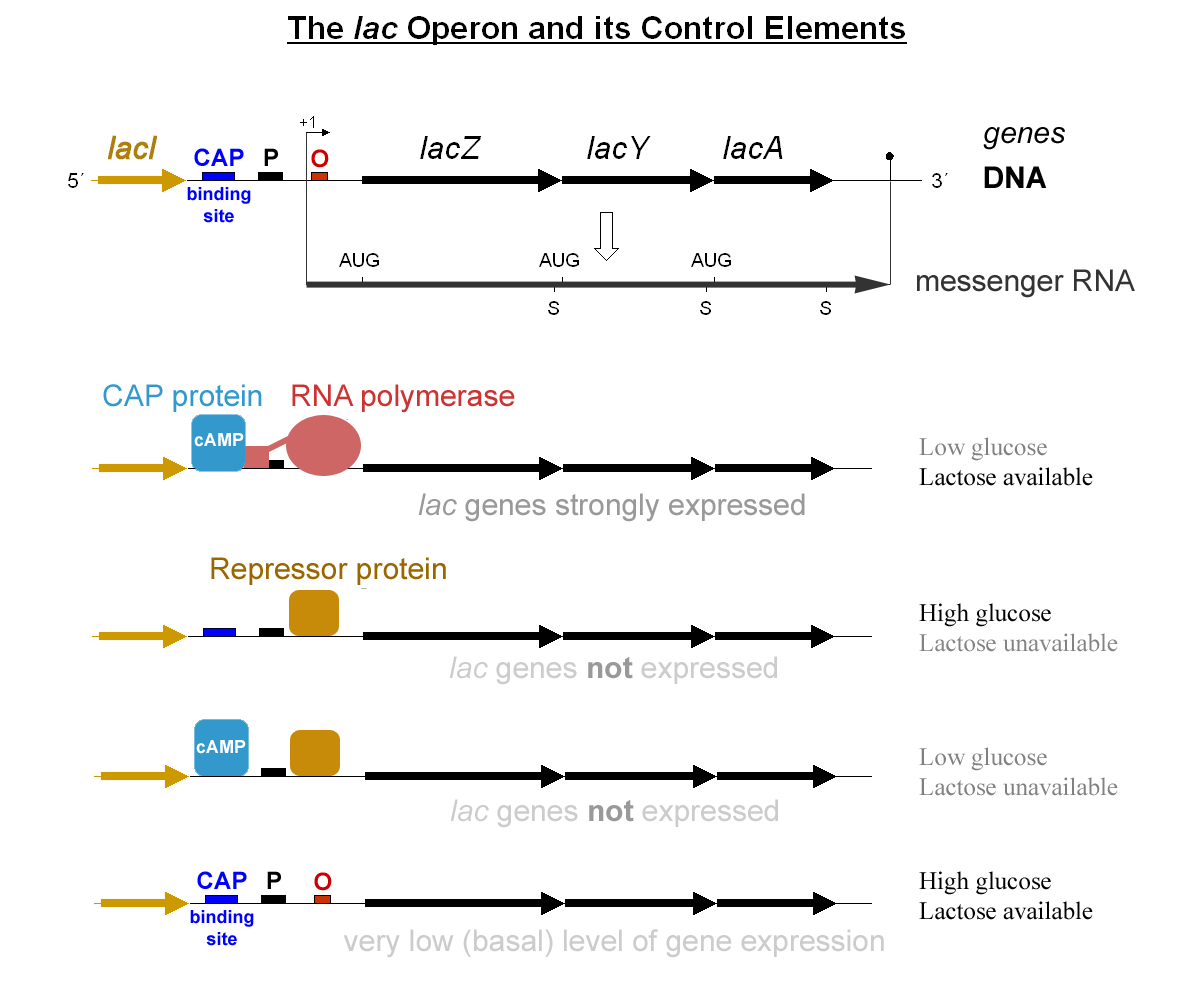
The lac operon is a useful model system for studying regulation of gene expression. In bacteria such as E. coli, an operon is a cluster of co-expressed genes and the promoter that controls their expression. E. coli can use lactose as its food when the availability of glucose is low, and its lactose metabolism genes are clustered in the lac operon. Lactose alone induces the lac operon, glucose alone represses it (because the cells can use glucose for food), but what happens in the presence of both glucose and lactose? The presence of both glucose and lactose represses the lac operon due to the effects of cAMP and cAMP receptor protein (CRP, AKA Catabolite Activator Protein or CAP). The cAMP concentration is inversely proportional to the glucose concentration. Lehninger includes an eloquent illustrated explanation of this scenario4.
The lac operon highlights the importance of basic research. François Jacob, Jacques Monod, and André Lwoff won the 1965 Nobel Prize in Physiology or Medicine "for their discoveries concerning genetic control of enzyme and virus synthesis." The lac operon was an important model system in these discoveries. Jacob later reflected5 on the process:
Our breakthrough was the result of 'night science': a stumbling, wandering exploration of the natural world that relies on intuition as much as it does on the cold, orderly logic of 'day science.' In today's vastly expanded scientific enterprise, obsessed with impact factors and competition, we will need much more night science to unveil the many mysteries that remain about the workings of organisms.
How are start codons recognized in eukaryotic translation?
Protein isn't just for muscle. Proteins perform myriad functions in biological cells. Protein metabolism is therefore essential for life -- without proteins, cells can't function.
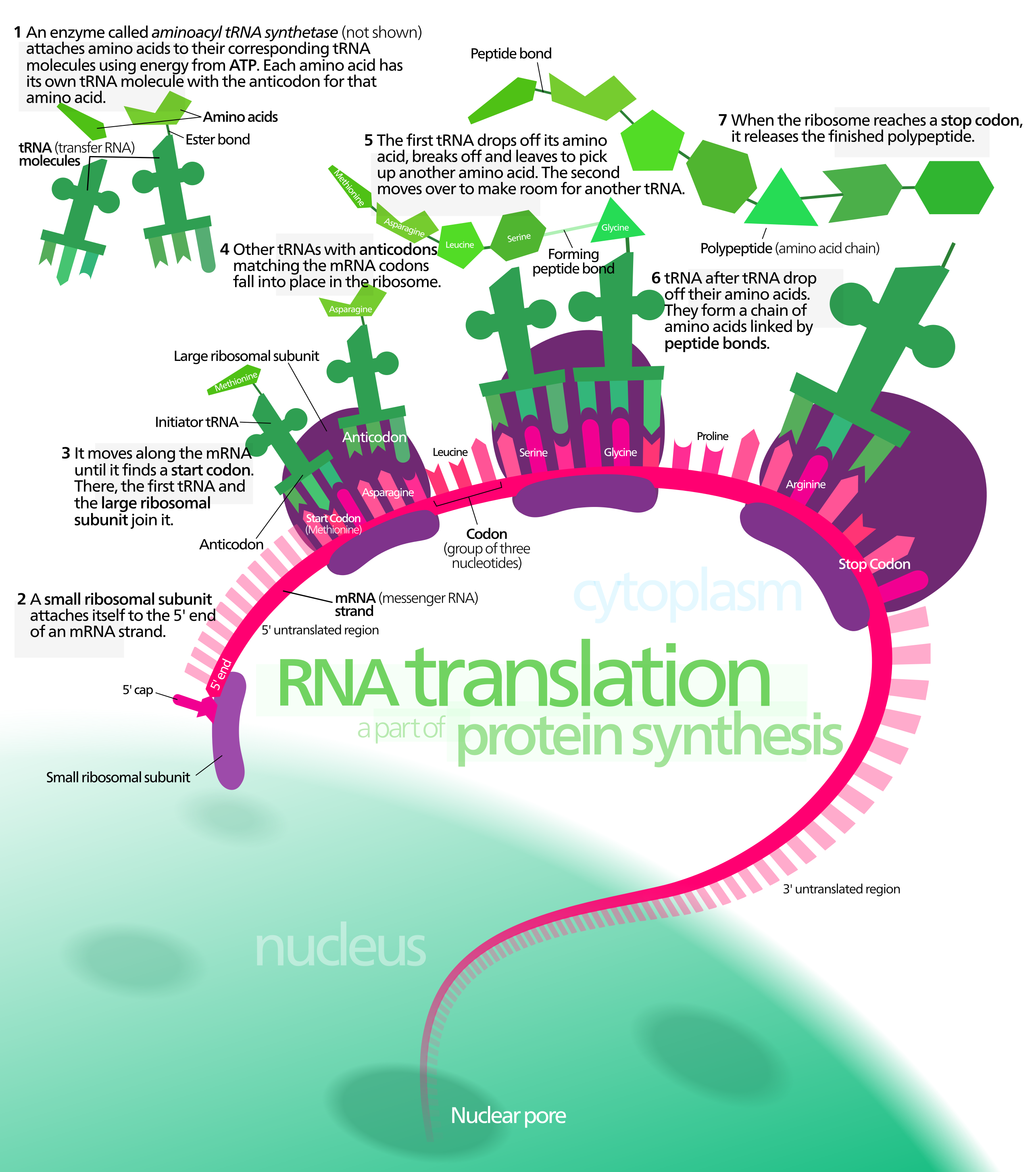
Protein molecules are chains of amino acids. These amino acid chains are synthesized in a process known as translation (because the genetic code is first transcribed from DNA into mRNA, then translated from RNA into protein). Each amino acid is represented on mRNA as a three-nucleotide codon. Separate tRNA (transfer RNA) molecules recognize these codons with corresponding anticodons and transfer the appropriate amino acids onto the growing amino acid chain.
There are 64 codons (4 nucleotides, 3 nucleotides per codon, 43 = 64), but there are less than 64 kinds of tRNA. tRNA molecules must therefore be able to recognize more than one codon, a characteristic called degeneracy. However, one of the amino acids that does not have degenerate codons is methionine -- its sole codon is AUG (adenine-uracil-guanine). Methionine is used at the beginning of each amino acid chain in the start codon (AKA initiation codon), but methionine can also be used later on internally in the amino acid chain. Cells have evolved two different tRNAs for methionine, one for initiation and one for internal methionine, and need to know which one to use.
How do cells know whether a given AUG is a start codon or an internal codon? Lehninger offers a detailed explanation of this process6. In eukaryotic cells (such as human cells), most mRNAs are monocistronic -- a single mRNA molecule encodes a single protein molecule. Cells can therefore use the structure of the mRNA to determine where to start translation. mRNA molecules have a cap on one end, the 5' ("five prime") end, but not at the other end, the 3' ("three prime") end. The molecular machinery that performs translation starts scanning at the 5' end until it finds the first AUG, and it treats that first AUG as the initiation codon.
Which enzyme adds the phosphate bond onto creatine?
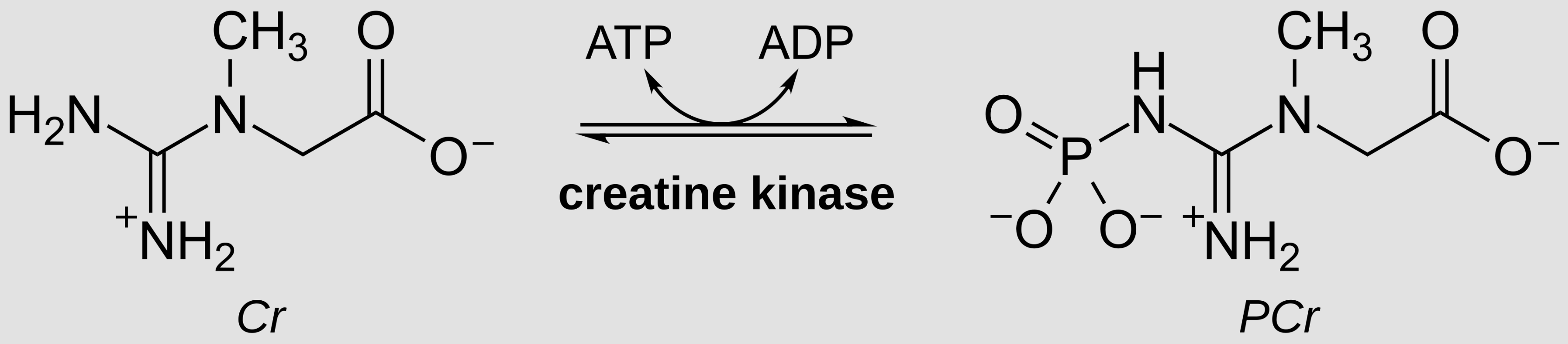
Creatine provides energy for muscle contraction. When energy is needed in the form of ATP, the enzyme creatine kinase catalyzes the conversion of phosphocreatine and ADP to creatine and ATP.
After this reaction is completed, how do cells get more phosphocreatine? In addition to using creatine ingested from foods and dietary supplements, the liver can synthesize phosphocreatine from the amino acids glycine, arginine, and methionine, using the same creatine kinase enzyme. Some sources7 only show this reaction proceeding in one direction, but Lehninger includes an explanation and figure to explain the other direction8.
How does glutamine metabolism in the kidney buffer pH during metabolic acidosis?
The capstone course of my PhD program was entitled "Regulation of Metabolism." One challenging part of the amino acid metabolism unit was the relationship of amino acid metabolism to metabolic acidosis. The human body must carefully maintain acid-base homeostasis. Diabetes and other conditions can tip the balance toward a decreased pH, a condition known as acidosis.
The body has compensatory mechanisms to limit the damage caused by acidosis, including metabolism of the amino acid glutamine. I turned to Lehninger to help me understand this, and as usual, found just what I was looking for9:
In metabolic acidosis, there is an increase in glutamine processing by the kidneys. Not all the excess NH4+ thus produced is released into the blood-stream or converted to urea; some is excreted directly into the urine. In the kidney, the NH4+ forms salts with metabolic acids, facilitating their removal in the urine. Bicarbonate produced by the decarboxylation of α-ketoglutarate in the citric acid cycle can also serve as a buffer in blood plasma. Taken together, these effects of glutamine metabolism in the kidney tend to counteract acidosis.
My first public domain work
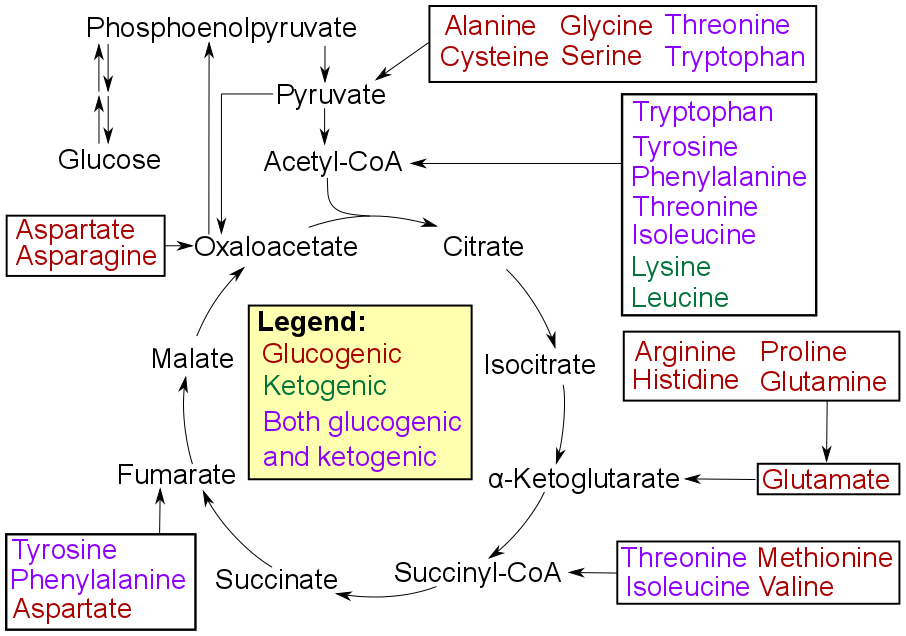
Also during the amino acid metabolism section of the "Regulation of Metabolism" capstone course, we had need of a diagram summarizing amino acid catabolism. I found one on Wikimedia Commons based on information in Lippincott's Illustrated Reviews: Biochemistry10, but the textbook and diagram contained several discrepancies when compared with five other prominent biochemistry textbooks3 7 11 12 13. I created a revised diagram based on consensus information from the five other texts. I used Inkscape, a free software alternative to Adobe Illustrator, to create the diagram, and released it with a CC0 1.0 Universal public domain dedication. To my knowledge, this was my first public domain work. The class appreciated my work on this and gave me a round of applause the next day.
Specific updates:
- There is a lack of agreement among textbooks about which amino acids enter at acetoacetate, which enter at acetoacetyl CoA, and which enter directly at acetyl CoA. However, the key point is that there are 7 amino acids that enter the TCA at acetyl CoA, and the diagram has been revised to reflect this.
- Threonine was previously listed as glucogenic only, but it is both glucogenic and ketogenic (enters at acetyl CoA) and has been updated accordingly.
- Tryptophan was listed as both glucogenic and ketogenic, yet the old version of the diagram did not have it entering at any glucogenic substrate. Diagram has been updated to show it enters at pyruvate.
- Only phenylalanine and tyrosine were listed as entering at fumarate, but aspartate also does. The diagram has been updated accordingly.
Life
These were a few of my favorite things about campus life.
Red Herring
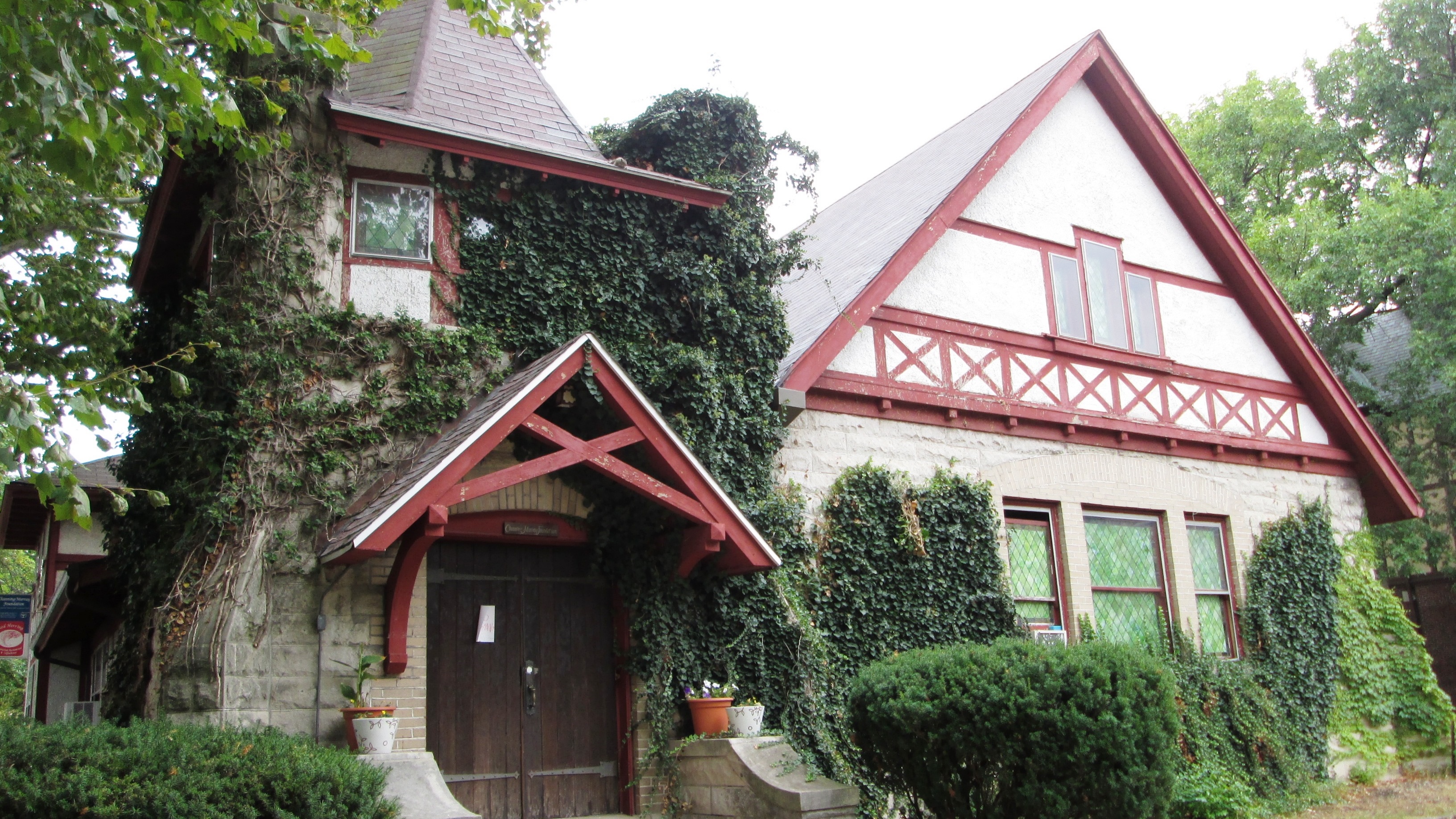
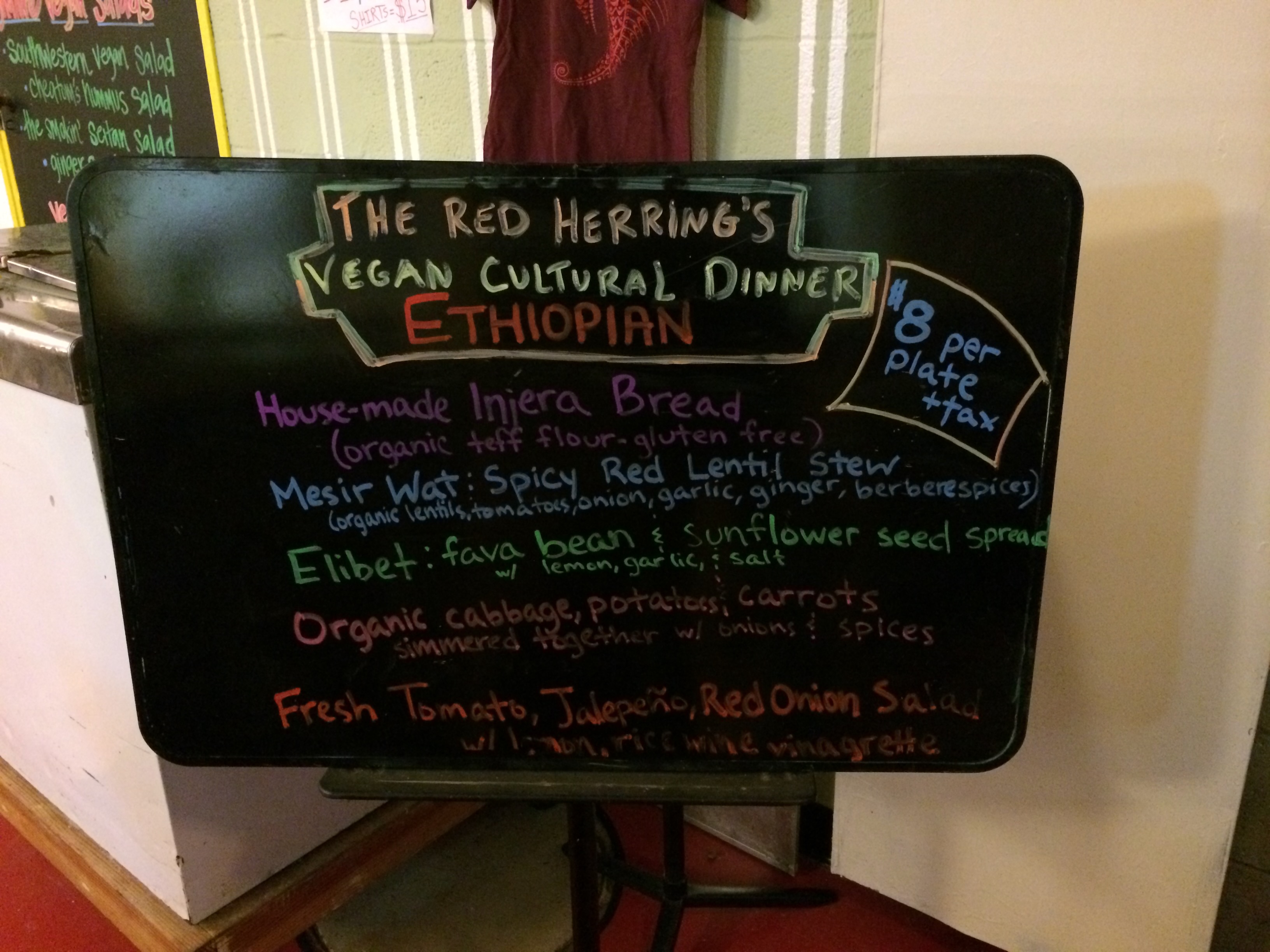
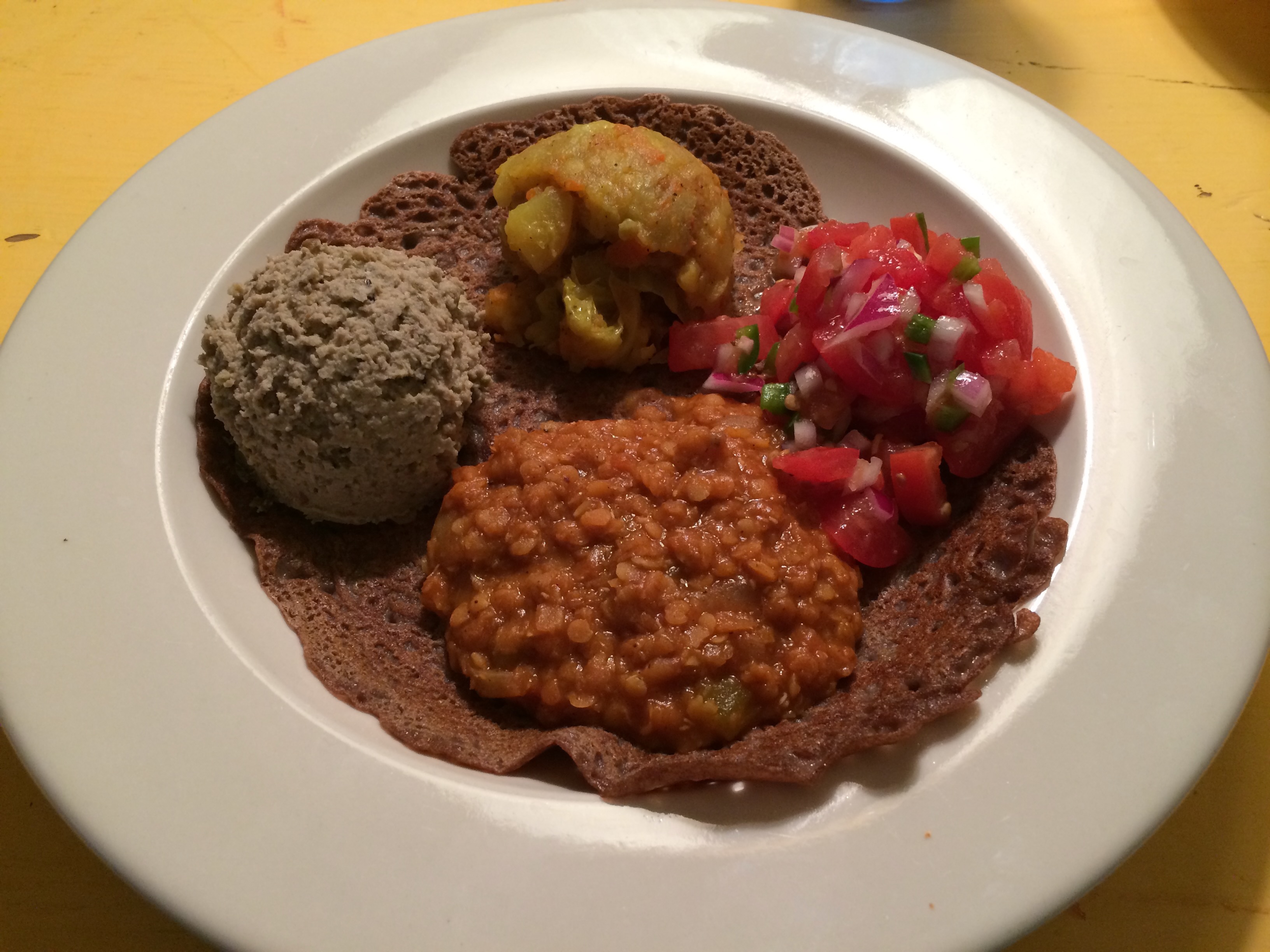
One of the lesser-known corners of campus that I frequented was the Red Herring restaurant in the basement of the Unitarian-Universalist Channing-Murray Foundation. They had a "vegan cultural dinners" series in which they featured recipes from different cultures each week. I learned that I liked Ethiopian food.
Activities and Recreation Center
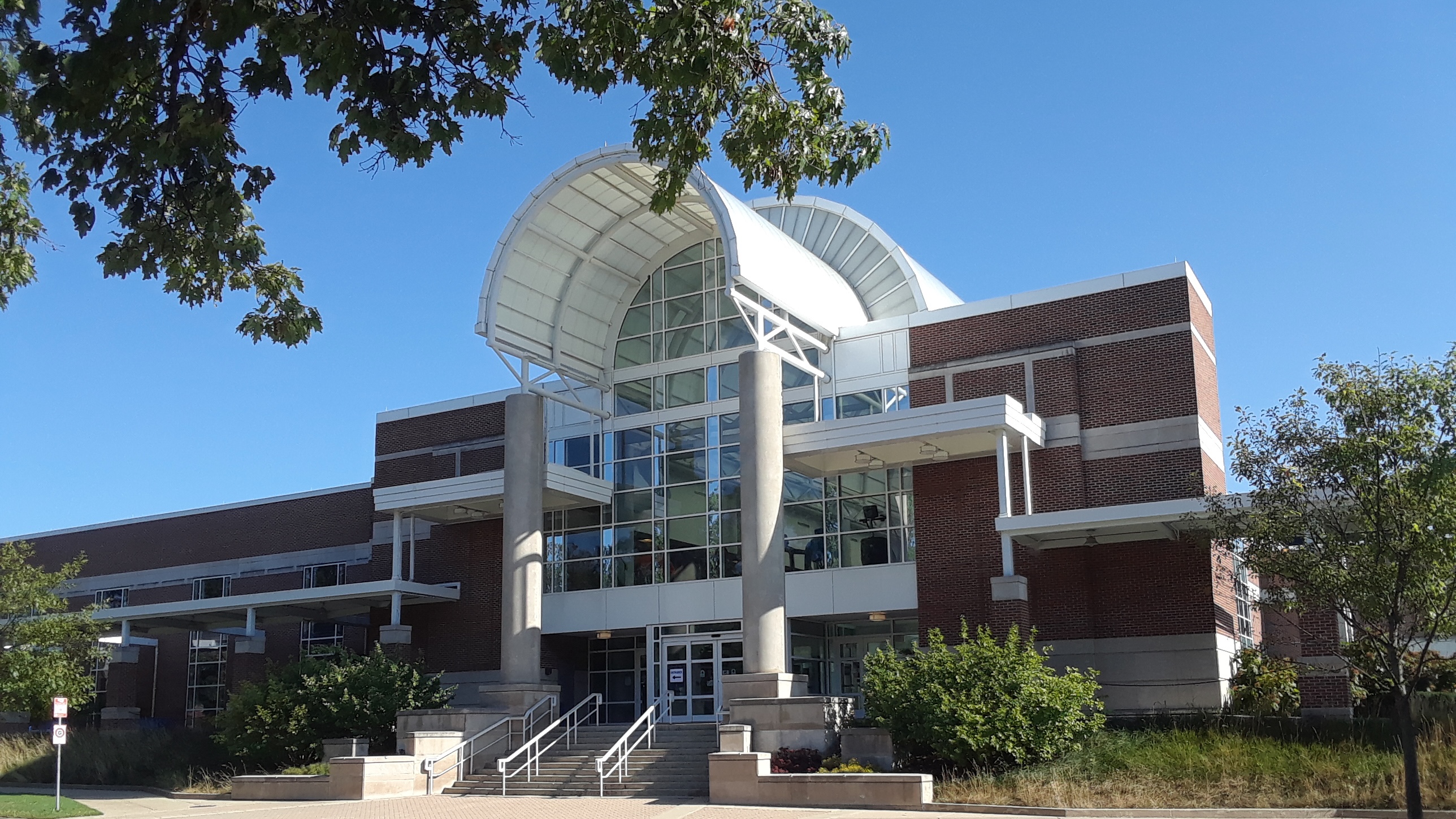
I spent much of my free time working out at the Activities and Recreation Center (ARC). My favorite parts were the basement weight room, the yoga studios, the atrium (visible in the picture), and the outdoor lap pool.
Alma Mater
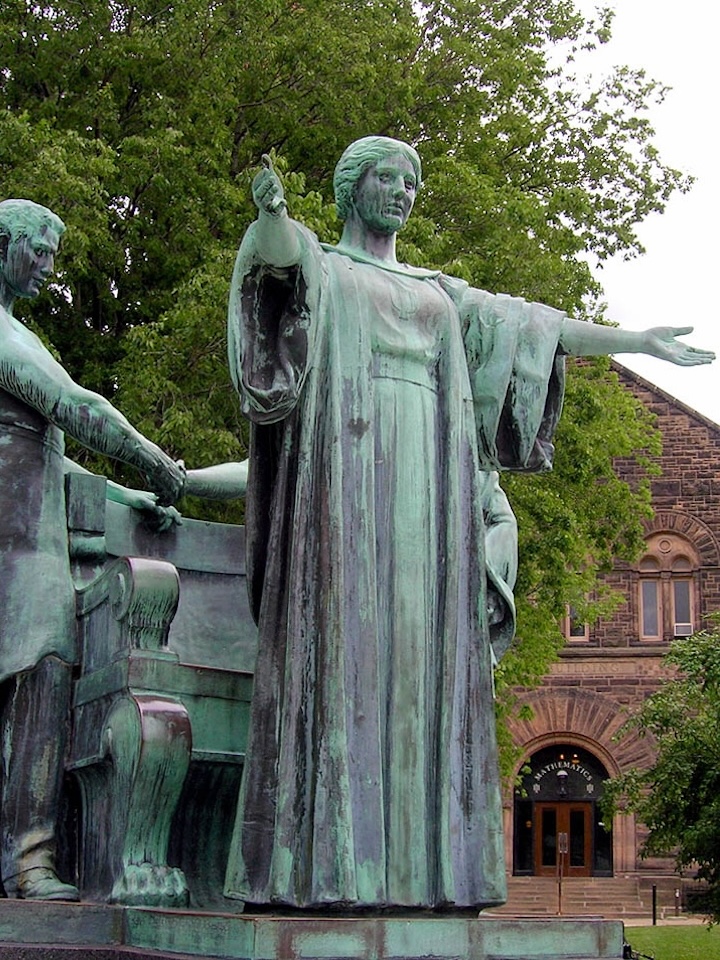
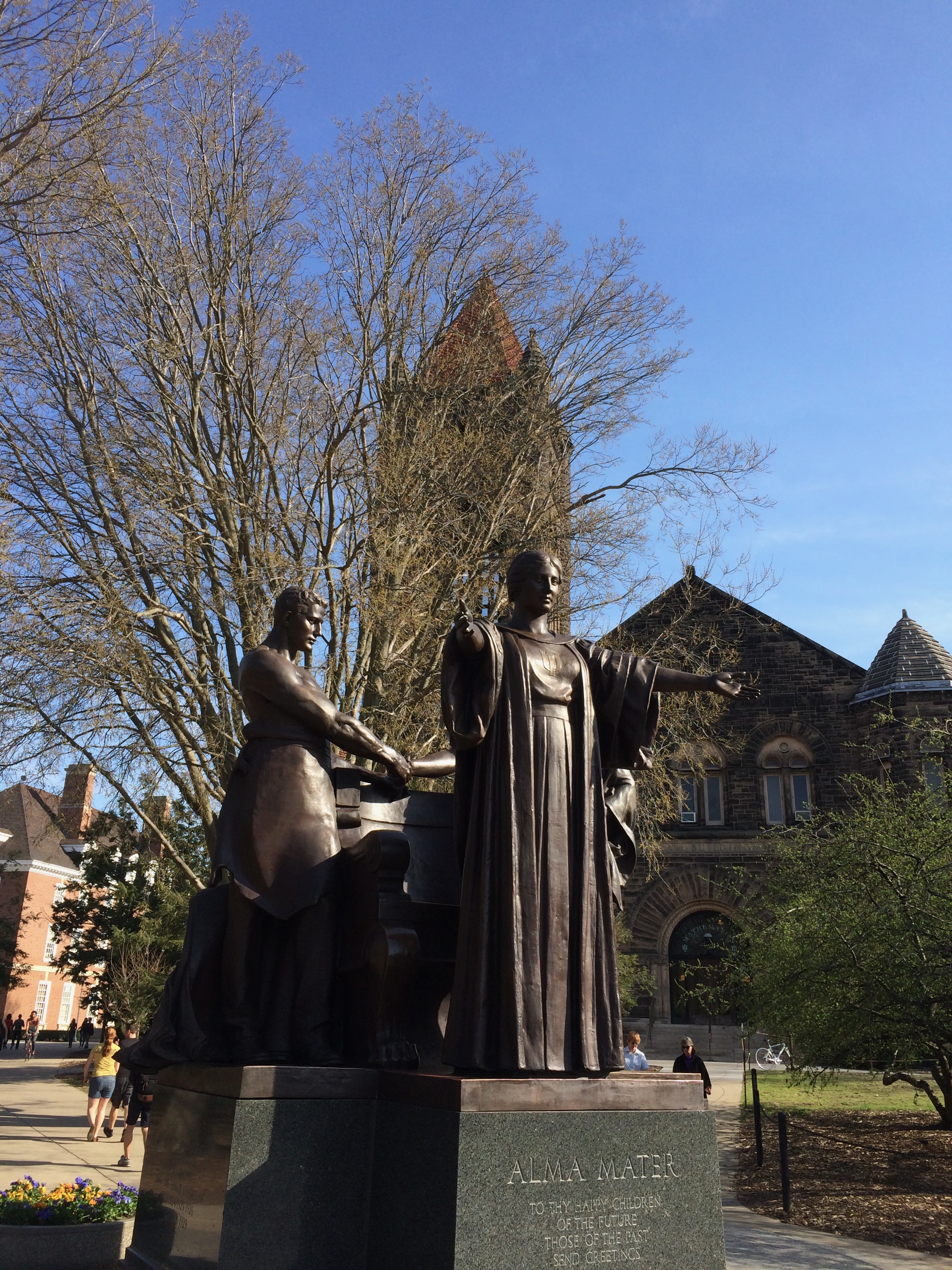
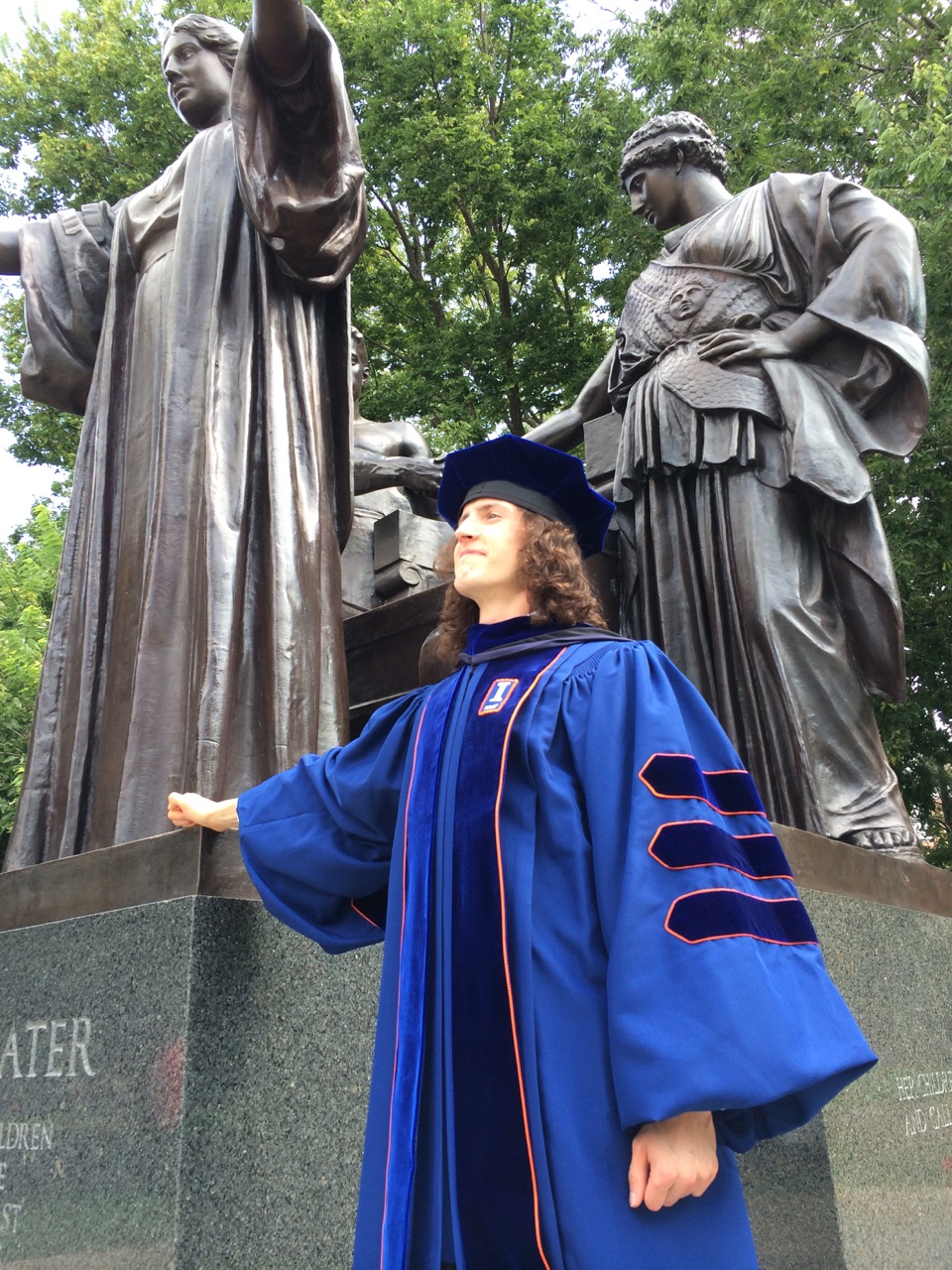
The campus has an iconic statue called the Alma Mater. I walked by it frequently. For most of my time in grad school, the brass statue languished under a teal crust, but a few months before I graduated, the University restored the statue to its former glory.
Blue Waters
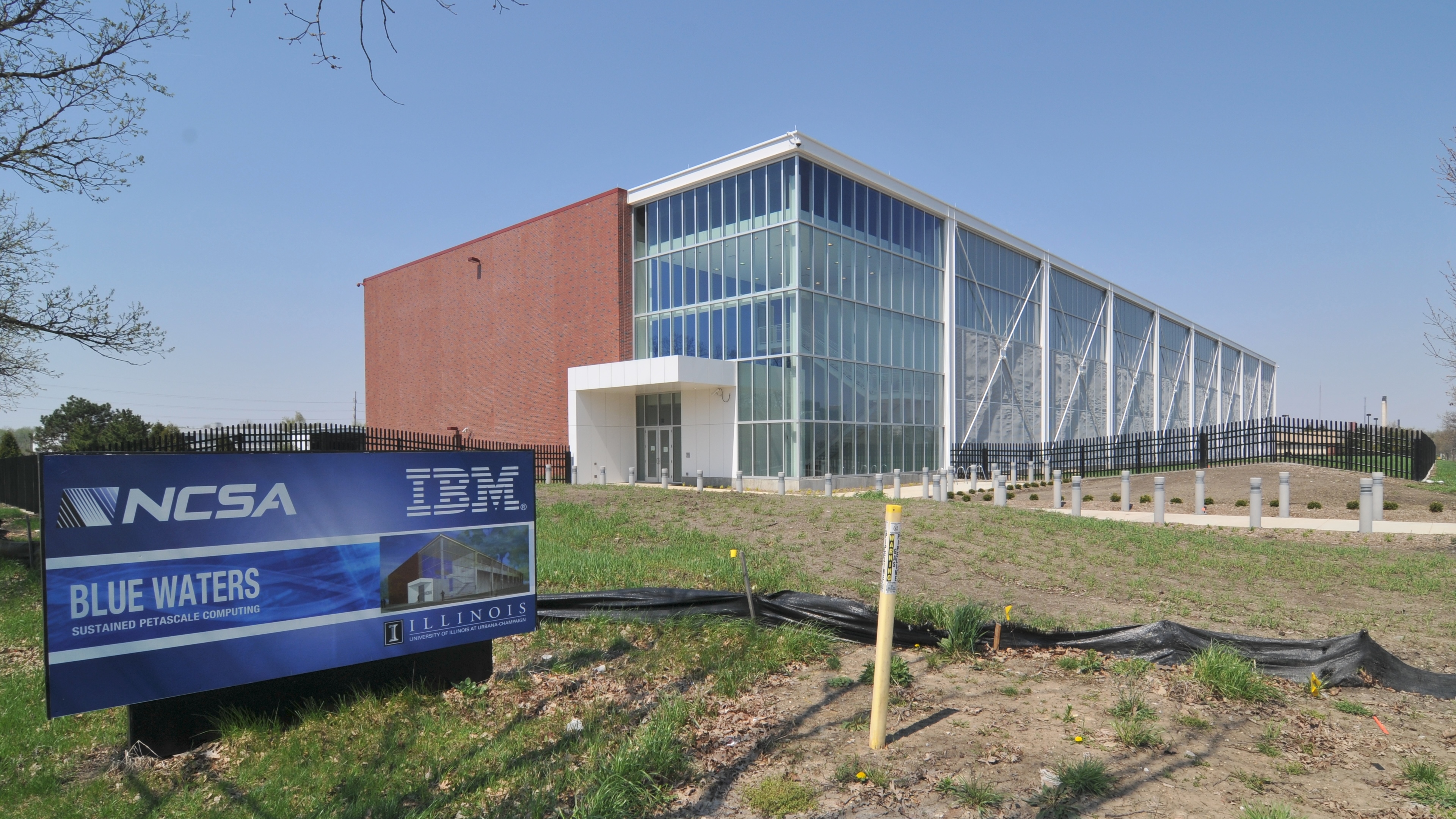
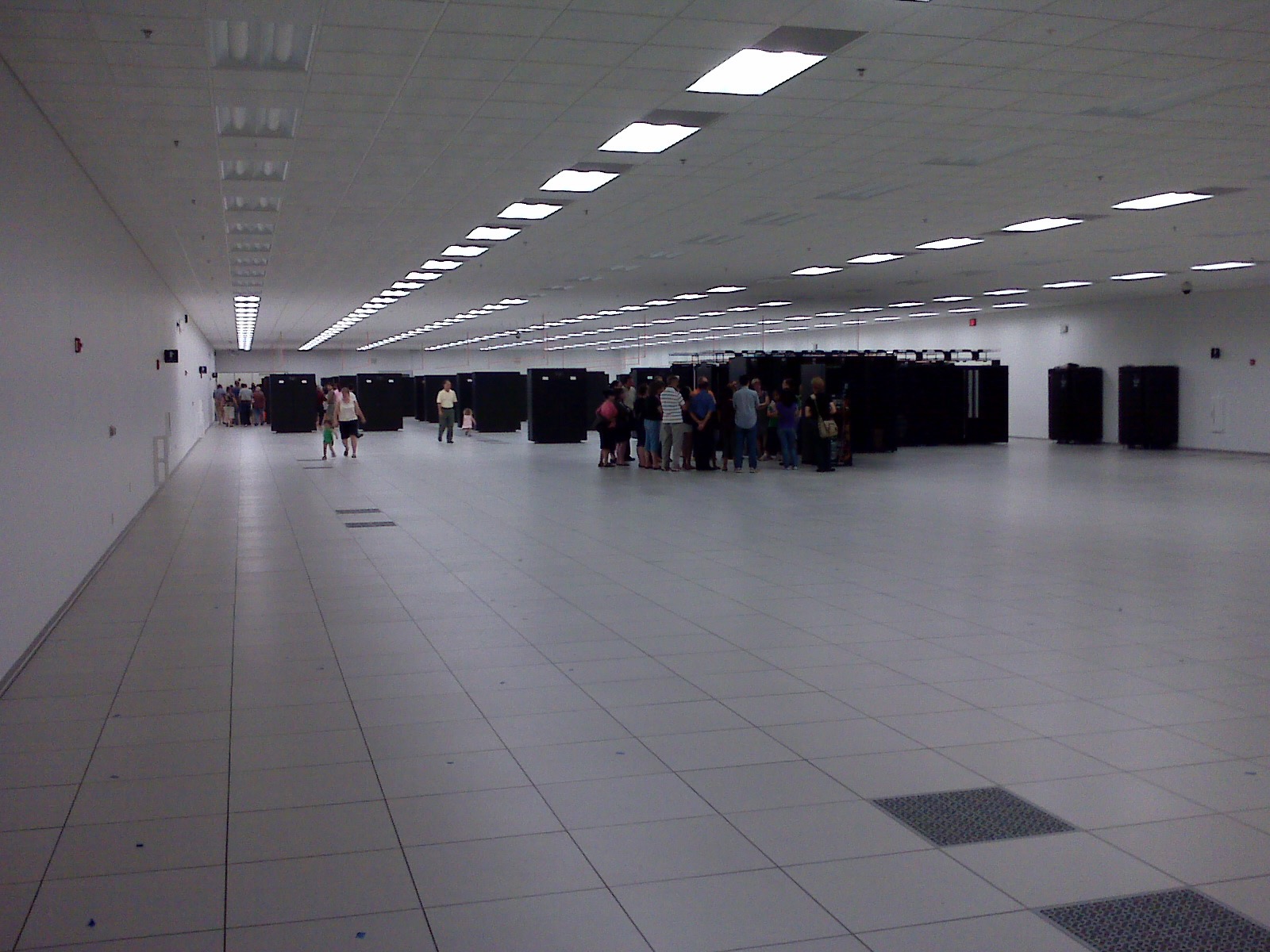
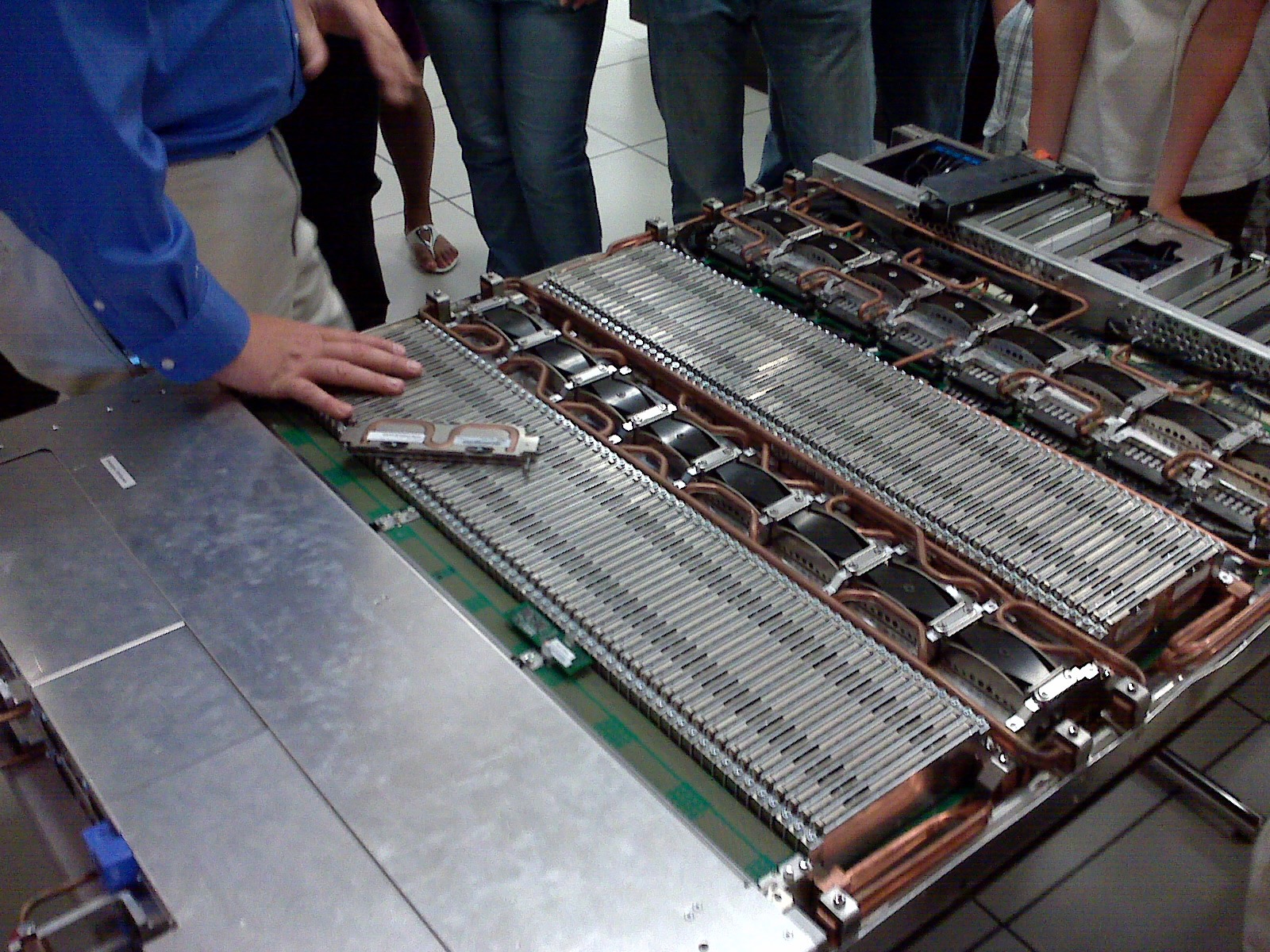
While I was in grad school, the National Center for Supercomputing Applications built a new facility to house the Blue Waters petascale supercomputer. I got to tour the facility before it opened.
Beckman Institute
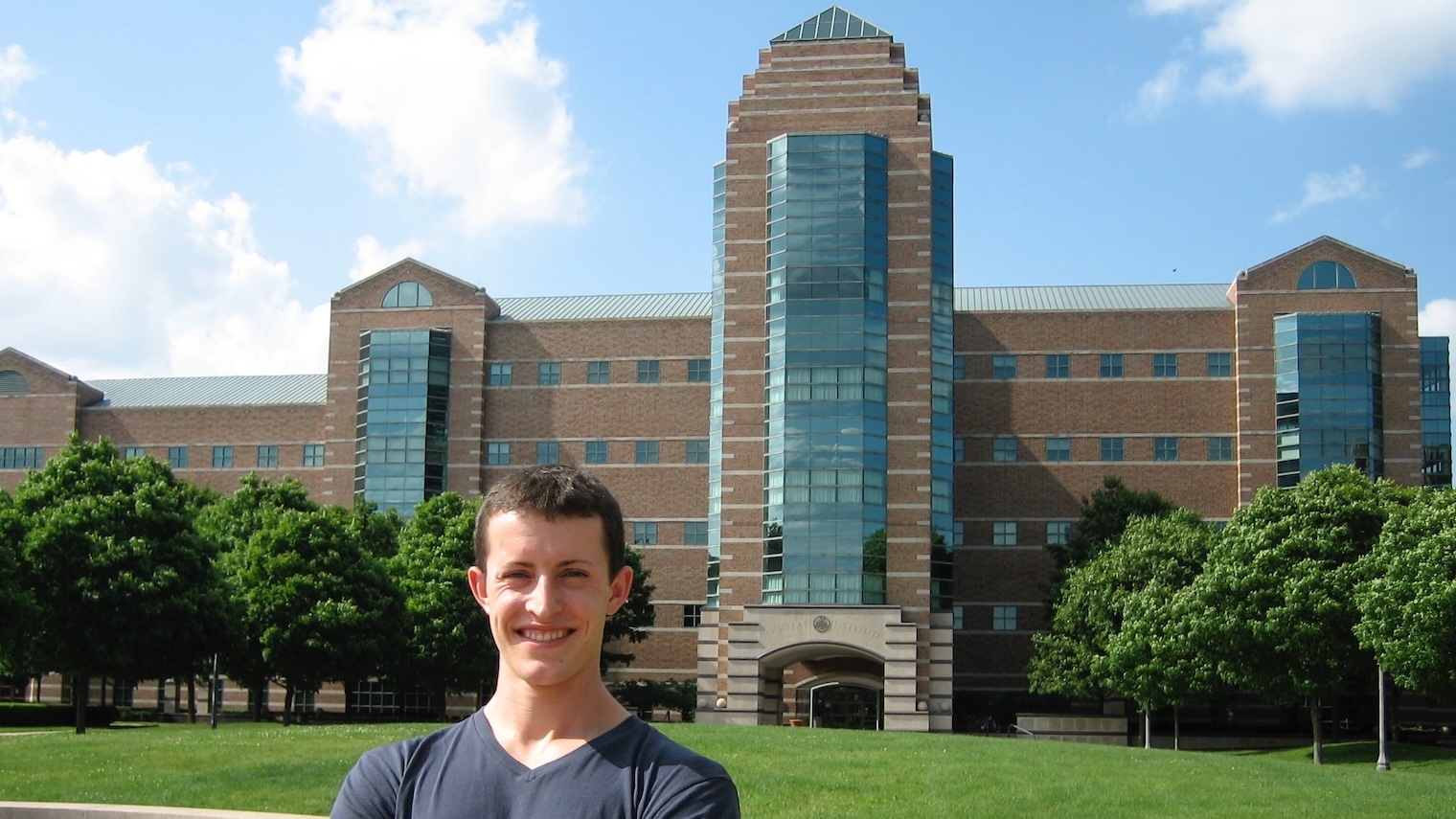
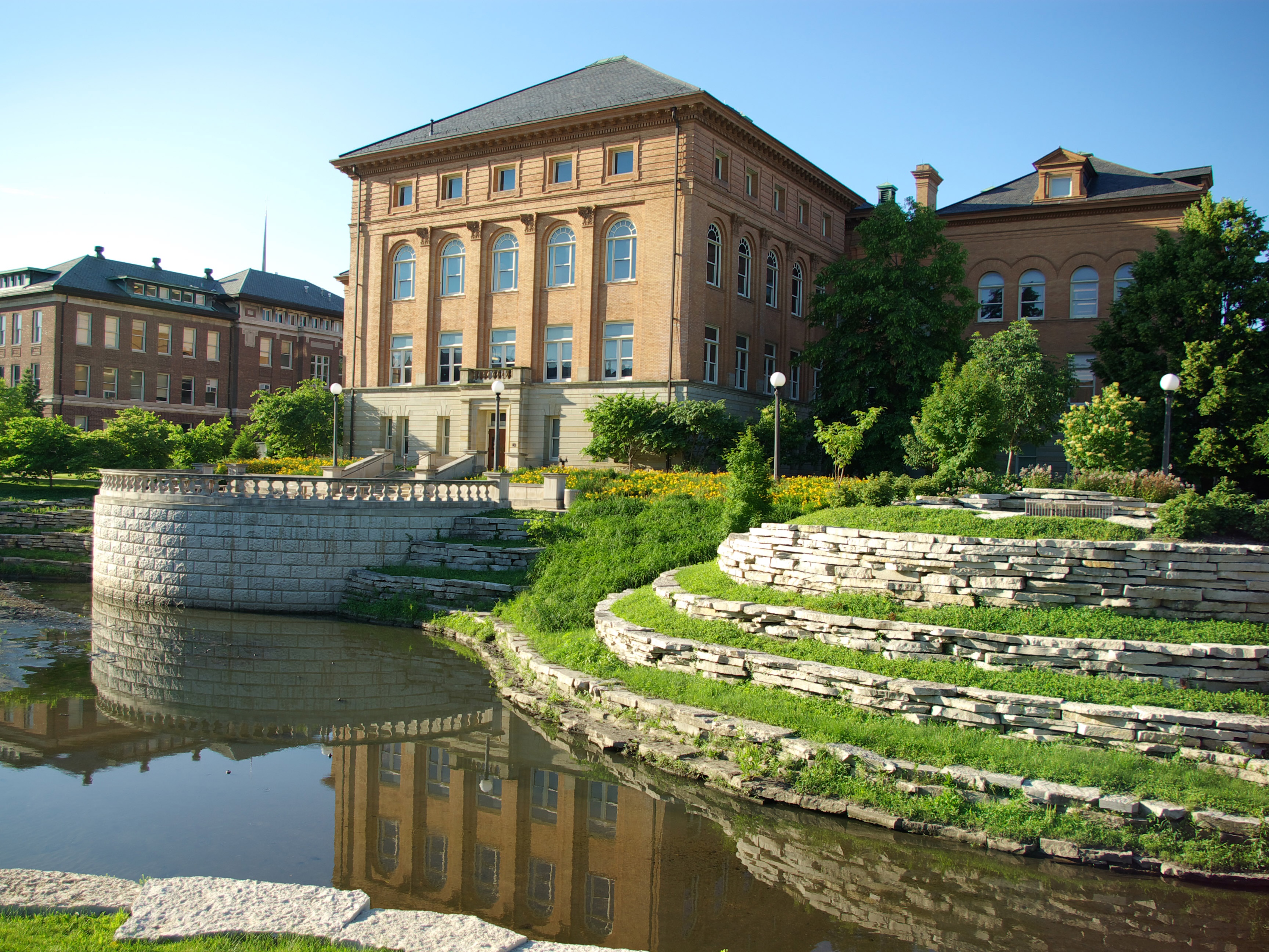
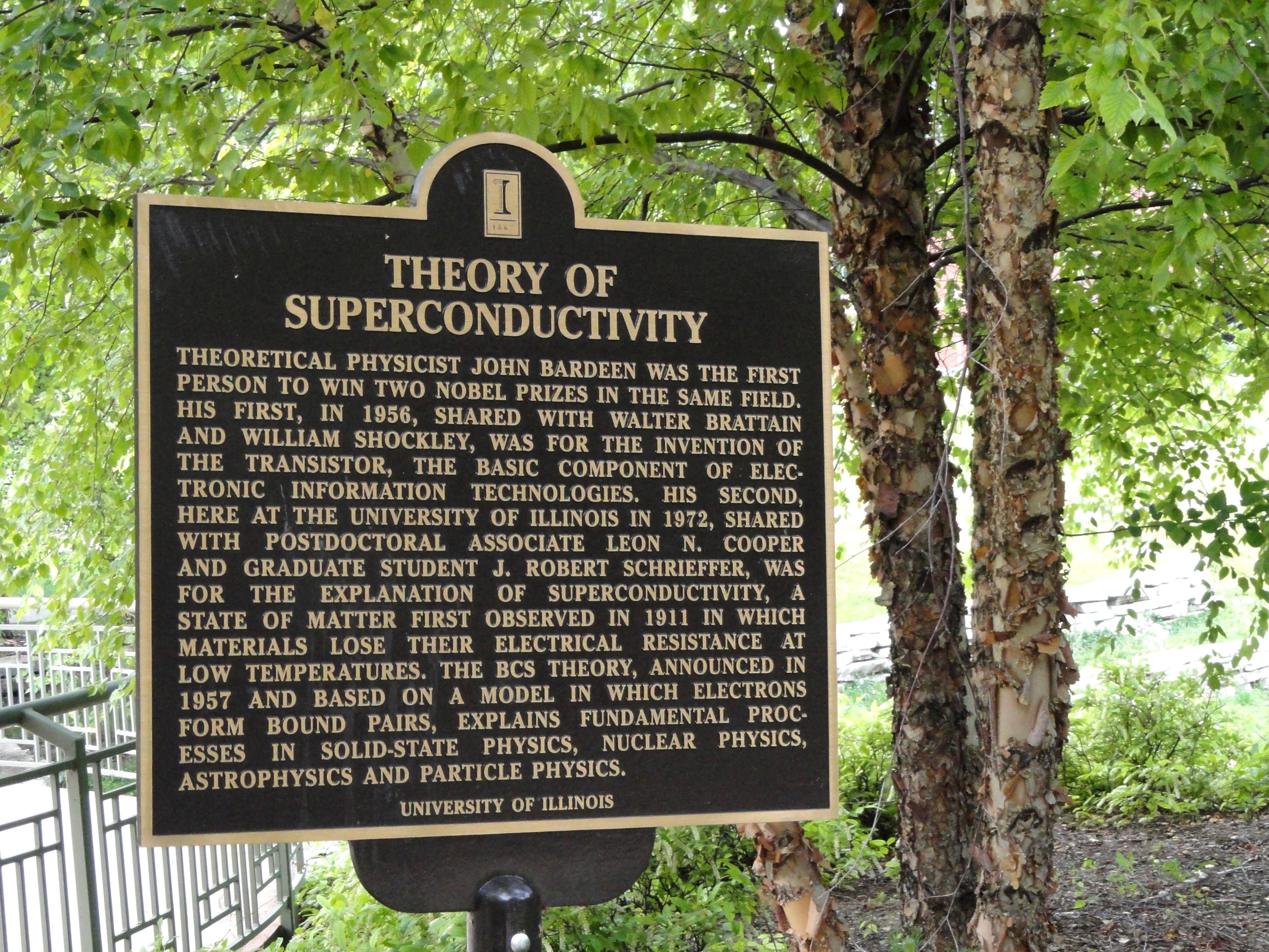
I appreciated my daily walk through the Bardeen Engineering Quad and into the Beckman Institute.
John Bardeen was the only two-time Nobel laureate in physics. His first Nobel Prize was awarded for the development of the transistor at Bell Labs. His second Nobel Prize was awarded for a theory of superconductivity.
When I arrived at the Beckman Institute, I walked past a display honoring Arnold Beckman, the inventor who financed the Institute. In addition to founding Beckman Instruments, he also provided early financing for production of semiconductors that were based on Bardeen's work, leading to the birth of modern computers and Silicon Valley.
It was inspiring to participate in this legacy of science and engineering in my own small way.
Rules that Govern My Life
By Arnold O. BeckmanMaintain absolute integrity at all times.
Always do your best: never do anything half-heartedly (either get into it, or get out of it).
Never do anything to harm others.
Never do anything for which you'll be ashamed later (this is an important one!).
Always strive for excellence -- there's no substitute for it.
Practice moderation in all things -- including moderation (there's nothing wrong with a little excess once in a while).
Don't take yourself too seriously.
Arnold Orville Beckman, Ph.D.
Great Man of Science and Humanity
April 10, 1900 - May 18, 2004
Footnotes
-
This was Dr. Ryan Dilger during NUTR 511 "Regulation of Metabolism." Thanks to Dr. Dilger and my other professors for fielding my frequent questions. ↩
-
Bottaro A, Inlay MA, Matzke NJ. Immunology in the spotlight at the Dover 'Intelligent Design' trial. Nature Immunology 2006. ↩
-
Nelson DL, Cox MM. Lehninger Principles of Biochemistry (7th edition). W.H. Freeman and Company 2017. ↩ ↩2
-
Lehninger Principles of Biochemistry (7th edition), Section 28.2 "Regulation of Gene Expression in Bacteria." ↩
-
Jacob F. The birth of the operon. Science 2011. ↩
-
Lehninger Principles of Biochemistry (7th edition), Section 27.2 "Protein Synthesis," Heading "Stage 2: A Specific Amino Acid Initiates Protein Synthesis." ↩
-
Garrett RH, Grisham CM. Biochemistry (4th edition). Brooks/Cole, Cengage Learning 2010. This textbook only provides a cursory mention of phosphocreatine biosynthesis on p.A17, in the "Abbreviated Answers to Problems" for chapter 16. ↩ ↩2
-
Lehninger Principles of Biochemistry (7th edition), Section 22.3 "Molecules Derived from Amino Acids," Heading "Amino Acids Are Precursors of Creatine and Glutathione." ↩
-
Lehninger Principles of Biochemistry (7th edition), Section 18.1 "Metabolic Fates of Amino Groups," Heading "Glutamine Transports Ammonia in the Bloodstream." ↩
-
Ferrier DR. Lippincott's Illustrated Reviews: Biochemistry (3rd edition). Lippincott Williams & Wilkins 2005. ↩
-
Gropper SS, Smith JL, Groff JL. Advanced Nutrition and Human Metabolism (5th edition). Wadsworth Publishing Company, Inc. 2009. ↩
-
Murray RK et al. Harper's Illustrated Biochemistry (28th edition). McGraw-Hill Medical 2009. ↩
-
Stipanuk MH. Biochemical, physiological, & molecular aspects of human nutrition (2nd edition). Saunders Elsevier 2006. ↩